Walk into any pet store and the cleanup aisle looks deceptively simple. A few plastic scoopers, some bags, maybe a rake-and-pan set gathering dust on the bottom shelf. Buy the cheapest option and most people assume the job is handled. Then a month later the handle cracks, the jaws stop closing, and the tool ends up in the garage next to every other disappointing purchase.
Choosing a scooper well is not about spending the most money. It is about matching the design to your yard, your dog, and your body. Get that match right and daily cleanup becomes a non-event. Get it wrong and you quietly stop doing it. This guide breaks down the features that actually matter so your next purchase is your last one for years.
The Main Styles and Who They Suit
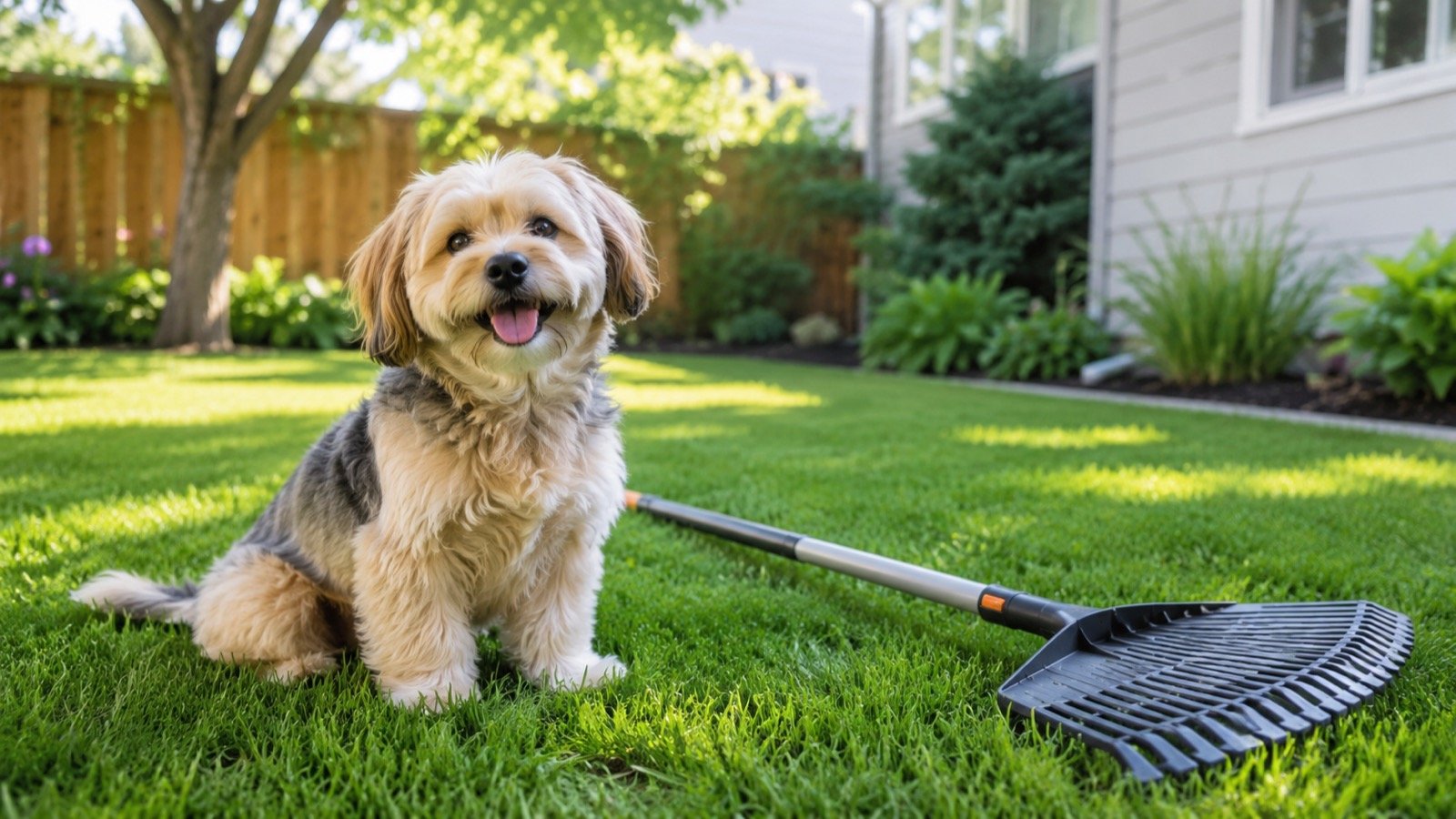
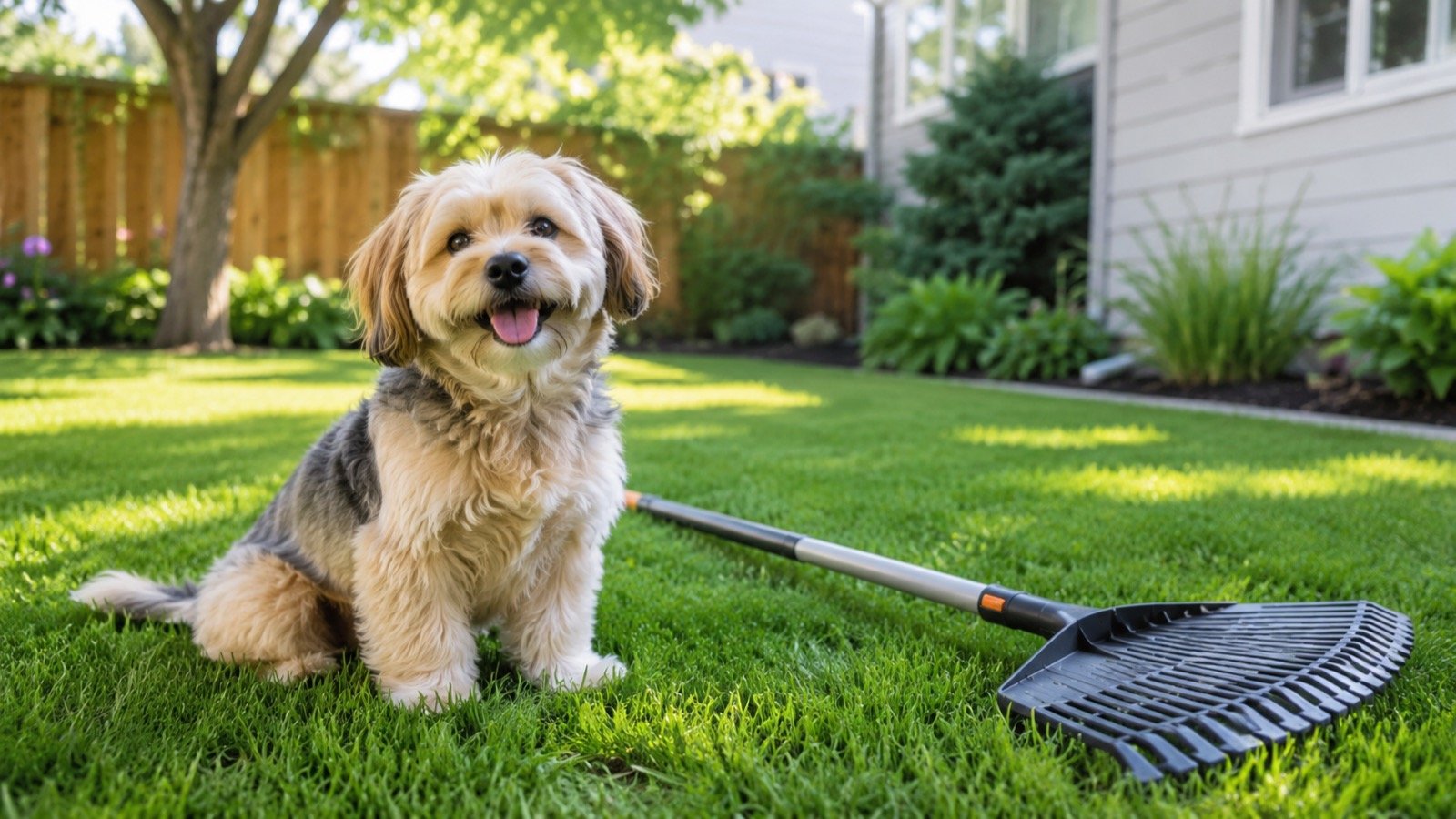
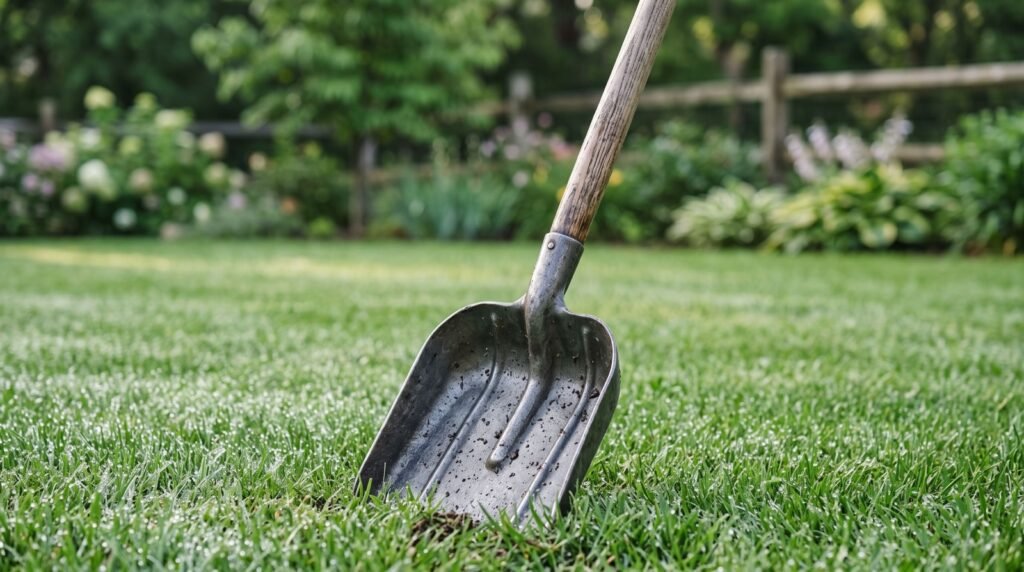
There are three broad designs. The rake-and-pan set uses two pieces, one to scrape and one to catch, and works well on grass but is clumsy on hard surfaces and awkward to store. The jaw or claw style operates like a set of tongs, closing around waste with a single squeeze, and it excels on patios, gravel, and mixed terrain. The bag-holding scooper combines pickup and containment in one motion, which many owners find the most hygienic.
Your surface should drive the choice. Grass owners can get away with a rake set, but anyone dealing with concrete, mulch, or pavers will be far happier with a jaw design that grips rather than scrapes.
Handle Length Is Not a Minor Detail
The single most overlooked feature is handle length, and it is the one that determines whether you keep using the tool. A short handle forces you to bend at the waist every time, which becomes genuinely painful over weeks of daily use and rules the tool out entirely for anyone with back trouble. A long handle lets you stand upright and work at arm’s length.
If you are tall, buy long. If you have any history of back pain, buy long. There is almost no scenario where a longer handle makes the job worse, and countless where it makes cleanup something you will actually keep doing.
Build Quality and Materials
Cheap scoopers fail at the joints and the jaws. Thin plastic hinges snap in cold weather, and flimsy gripping surfaces let waste slip through or smear. Look for reinforced connection points, a spring or mechanism rated for repeated use, and materials that will not turn brittle in winter or warp in summer heat. This is where a purpose-built Heavy Duty Pooper Scooper earns its keep, because it is engineered to survive the exact stresses that destroy bargain tools.
A well-made tool costs a little more up front and a lot less over its life, since you are not replacing it every few months. Durability is the feature you appreciate most six months in.
Matching the Tool to Your Dog
Dog size changes the equation. A toy breed produces small, firm waste that a compact jaw handles easily. A large or giant breed produces volume that overwhelms a small scoop and demands a wider mouth and a sturdier frame. Diet matters too, since softer stool is harder to pick up cleanly and rewards a design that grips fully rather than one that relies on scraping a hard surface.
If you have multiple dogs of different sizes, size up. A larger tool handles small waste fine, but a small tool struggles badly with large output. Brands like Gogostik design specifically around this range of real-world needs rather than assuming every dog and yard is identical.
Hygiene and Cleaning
A scooper that is a nightmare to clean is a scooper you will resent. Smooth surfaces rinse off with a quick hose spray, while textured or crevice-heavy designs trap residue and odor. Some tools are built to hold a bag so the waste never touches the jaws at all, which is the most hygienic arrangement and cuts cleaning to nearly nothing.
Think about storage as well. A tool with a hanging hole keeps it off the ground and away from contamination between uses, which matters more than it sounds when the alternative is a dirty tool leaning against the wall.
One-Handed Operation Matters
If you ever clean up while holding a leash, a phone, or a bag, one-handed operation stops being a luxury. Jaw-style scoopers with a trigger or squeeze mechanism let you pick up, hold, and deposit without a free second hand. Two-piece rake sets always require both hands and a fair amount of coordination on uneven ground.
For yard-only cleanup this matters less, but for anyone combining pickup with walks or wrangling an excited dog, single-handed control is the difference between quick and clumsy.
When Buying a Tool Is Not Enough
Sometimes the honest answer is that no tool will solve the problem, because the problem is time. If your schedule genuinely does not allow regular cleanup, or the yard has fallen far behind, the practical move is to bring in help. Reputable quality service providers handle routine yard sanitation on a schedule, which can be worth it during busy seasons or for owners with mobility limits.
Many people use a hybrid approach: a great tool for daily upkeep and an occasional professional visit to reset the yard. There is no rule that says you have to choose only one.
Key Takeaways
- Match the scooper style to your surface, jaw designs for hard ground, rake sets for grass.
- Long handles prevent back strain and are the biggest factor in sticking with a routine.
- Reinforced joints and durable materials outlast cheap tools that crack within months.
- Size the tool to your largest dog, since small scoops fail on big output.
- Smooth, easy-to-clean designs and one-handed operation make daily use far more pleasant.
Buy Once, Buy Right
The best scooper is the one you will still be using a year from now without a second thought. That comes down to a handful of practical choices: the right style for your ground, a handle that saves your back, build quality that survives the seasons, and a size that fits your dog. Skip the bargain-bin gamble, weigh these features honestly against your own situation, and the daily cleanup that most owners dread turns into the easiest part of having a dog.