Queue Management System in Saudi Arabia: 2026 Buyer Guide
A modern queue management system in Saudi Arabia has become a core part of how banks, government service centers, and clinics serve the public in 2026. Long walk-in lines no longer match the expectations of a population that already books rides, food, and flights from a phone. Smart queuing turns a chaotic waiting hall into a calm, measurable, and fair process.
This guide explains how these systems work, why Saudi organizations are adopting them so quickly, and what to check before you buy. The goal is simple: shorter waits, happier visitors, and cleaner data for managers.
What a Queue Management System in Saudi Arabia Actually Does
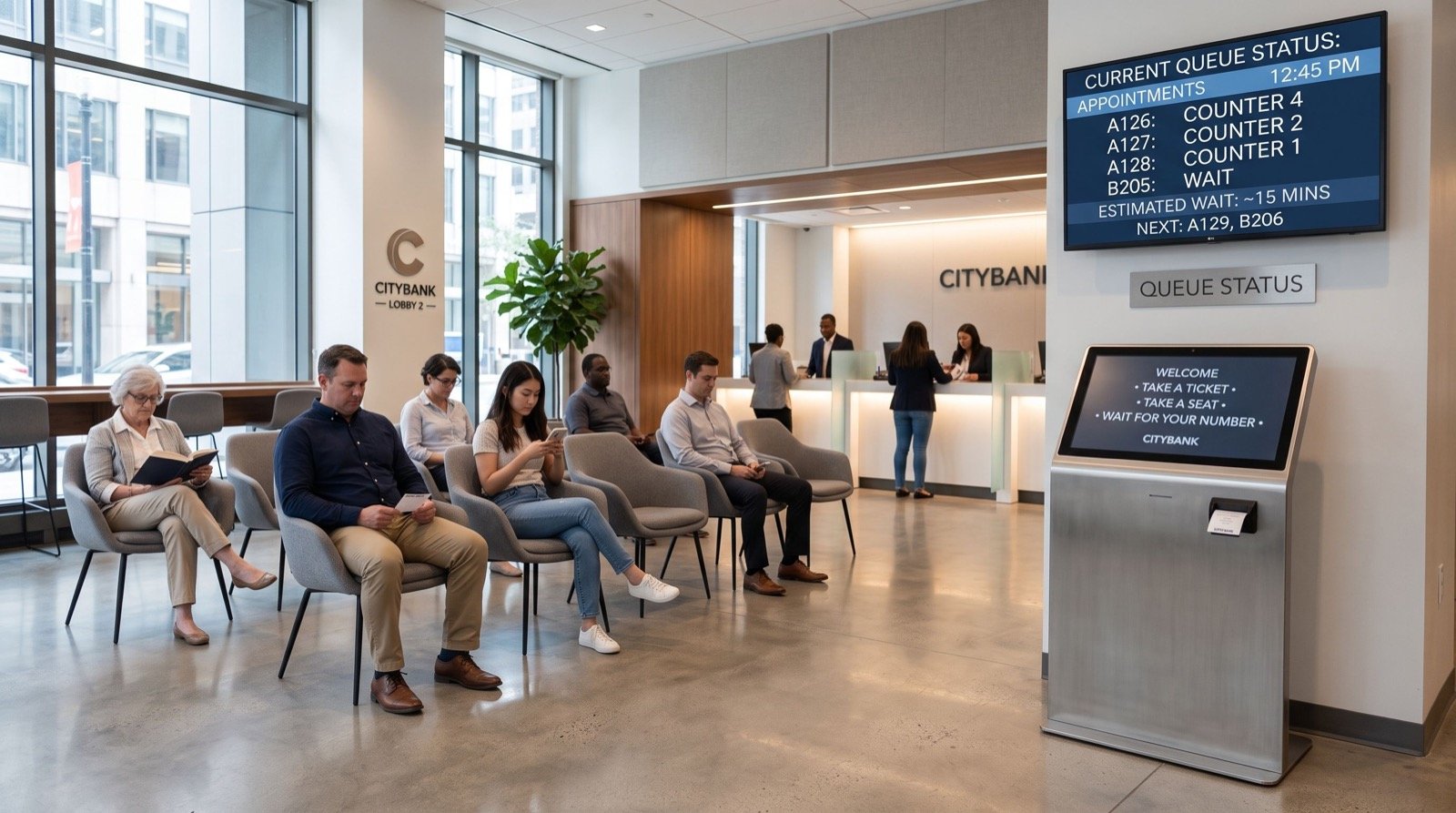
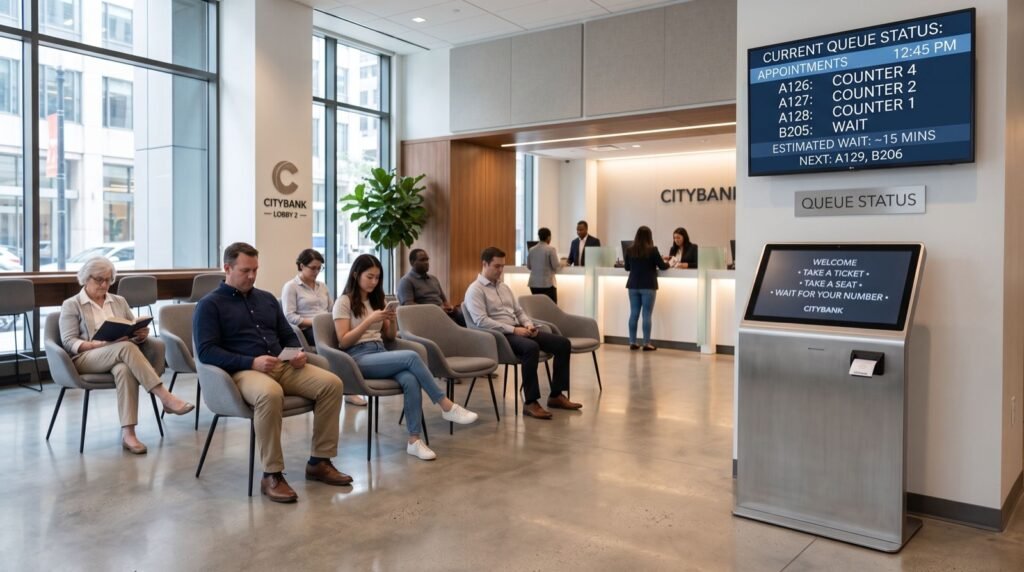
At its heart, the system replaces the physical scramble with a structured digital flow. A visitor arrives, selects a service, and receives a ticket number by kiosk, QR code, or mobile app. Screens and audio calls then route each person to the right counter in order.
Behind the counter, staff see live dashboards. Managers watch wait times, service duration, and peak hours in real time. That data is the quiet superpower, because it lets a branch staff correctly instead of guessing.
Many Saudi deployments now add identity verification at the counter. A fingerprint reader such as the Secugen Hampster Pro 20 lets agents confirm a customer in seconds, which matters for banking, SIM registration, and absher-linked government services where identity is non-negotiable.
Why Saudi Organizations Are Upgrading in 2026
The push ties directly to national service standards. Under the Kingdom’s transformation agenda, public and private bodies are measured on customer experience, not just transaction volume. You can read the broader goals on the official Saudi Vision 2030 portal, which frames quality of life and service as national priorities.
That pressure flows down to branch level. A bank in Riyadh or a licensing office in Jeddah now reports on average wait time the same way it reports on sales.
Three forces are driving the shift:
- Rising footfall: population growth and tourism have increased daily visitor counts at service points.
- Mobile-first citizens: people expect virtual tickets and SMS alerts, not paper slips and crowded halls.
- Data accountability: leadership wants proof that service levels are improving month over month.
Core Features to Compare Before You Buy
Not every platform is equal. Some are simple ticket dispensers, while others are full customer-journey engines. Use the table below to compare the capabilities that matter most in the Saudi market.
| Feature | Basic System | Enterprise System |
|---|---|---|
| Virtual mobile ticketing | Limited | Full app and QR support |
| Arabic and English interface | Basic | Full bilingual, RTL support |
| Biometric ID at counter | No | Yes (fingerprint integration) |
| Live analytics dashboard | Daily report | Real-time, multi-branch |
| SMS and screen notifications | Screen only | SMS, screen, and app |
Bilingual Arabic and English support with proper right-to-left layout is non-negotiable in the Kingdom. A system that only handles English will frustrate a large share of your visitors.
Which Features Deliver the Fastest Payback?
In our field experience, two features pay for themselves quickest. First, virtual ticketing removes the crowded lobby and reduces perceived wait time dramatically. Second, real-time analytics let a manager move staff to a busy counter before a queue builds, not after.
A practical tip: insist on a pilot at your single busiest branch. One month of live data there will tell you more than any sales demo, and it builds internal buy-in from frontline staff.
A Simple Rollout Plan That Works
Teams often overcomplicate the launch. A phased approach keeps risk low and lets staff adapt. Follow this sequence:
- Audit current wait times and peak hours at each branch for two weeks.
- Pilot the system at one high-traffic location with full staff training.
- Integrate identity and notification tools once the core flow is stable.
- Measure against your baseline and adjust counter staffing.
- Scale the proven setup across remaining branches.
When you reach the integration stage, choose a vendor with strong local support. A reliable queue management system in saudi arabia partner should offer on-site setup, Arabic training, and fast maintenance response, not just hardware shipped in a box.
For businesses outside the capital that want hands-on guidance, working with dependable specialists can shorten the learning curve and avoid costly configuration mistakes.
Measuring Success After Launch
Define success before you flip the switch. The most useful metrics are average wait time, average service time, abandonment rate, and visitor satisfaction score. Track them weekly for the first quarter.
Most Saudi branches that deploy a full system see noticeably calmer lobbies within the first month. The bigger win is cultural: staff stop firefighting lines and start managing the day with real numbers.
Common Mistakes to Avoid During Rollout
Even strong teams stumble on predictable errors. The first is buying hardware before mapping the actual service flow, which leads to too many counters for some services and too few for others. Map the journey first, then buy.
The second mistake is ignoring frontline staff. Agents who feel a system was imposed on them will quietly work around it, so involve them in the pilot and let them shape the ticket categories. Their day-to-day knowledge is gold.
A third error is treating go-live as the finish line. The real value appears over the following months as you read the analytics, retrain on weak spots, and fine-tune staffing. A queue platform rewards attention, not a set-and-forget attitude.
Finally, do not neglect maintenance. A frozen kiosk during a morning rush damages trust faster than having no system at all, so confirm your vendor’s response time in writing before you commit.
Frequently Asked Questions
How much does a queue management system in Saudi Arabia cost?
Pricing depends on the number of counters, branches, and add-ons like biometric readers or mobile apps. A single-branch setup is modest, while a multi-site enterprise rollout scales with hardware and software licensing. Request a quote based on your actual footfall.
Does the system support Arabic and English together?
Yes. A proper enterprise platform offers full bilingual interfaces with right-to-left Arabic support across kiosks, screens, and the mobile app, so every visitor is served in their preferred language.
Can it integrate with fingerprint or ID verification?
It can. Many Saudi banks and government offices pair queuing with a fingerprint reader to confirm identity at the counter, which speeds up secure transactions and reduces fraud risk.
How long does installation take?
A single-branch pilot can be live within days once hardware arrives. A full multi-branch rollout usually runs over several weeks, following the phased plan of audit, pilot, integrate, and scale.
Conclusion
In 2026, a well-chosen queue management system in Saudi Arabia is no longer a luxury but a baseline expectation for any customer-facing organization. The right platform shortens waits, satisfies bilingual visitors, and hands managers the data they need to improve every single day. Start with a pilot at your busiest branch, measure honestly, and scale what works. Ready to plan your rollout? Talk to a trusted local provider today and turn your waiting hall into a competitive advantage.